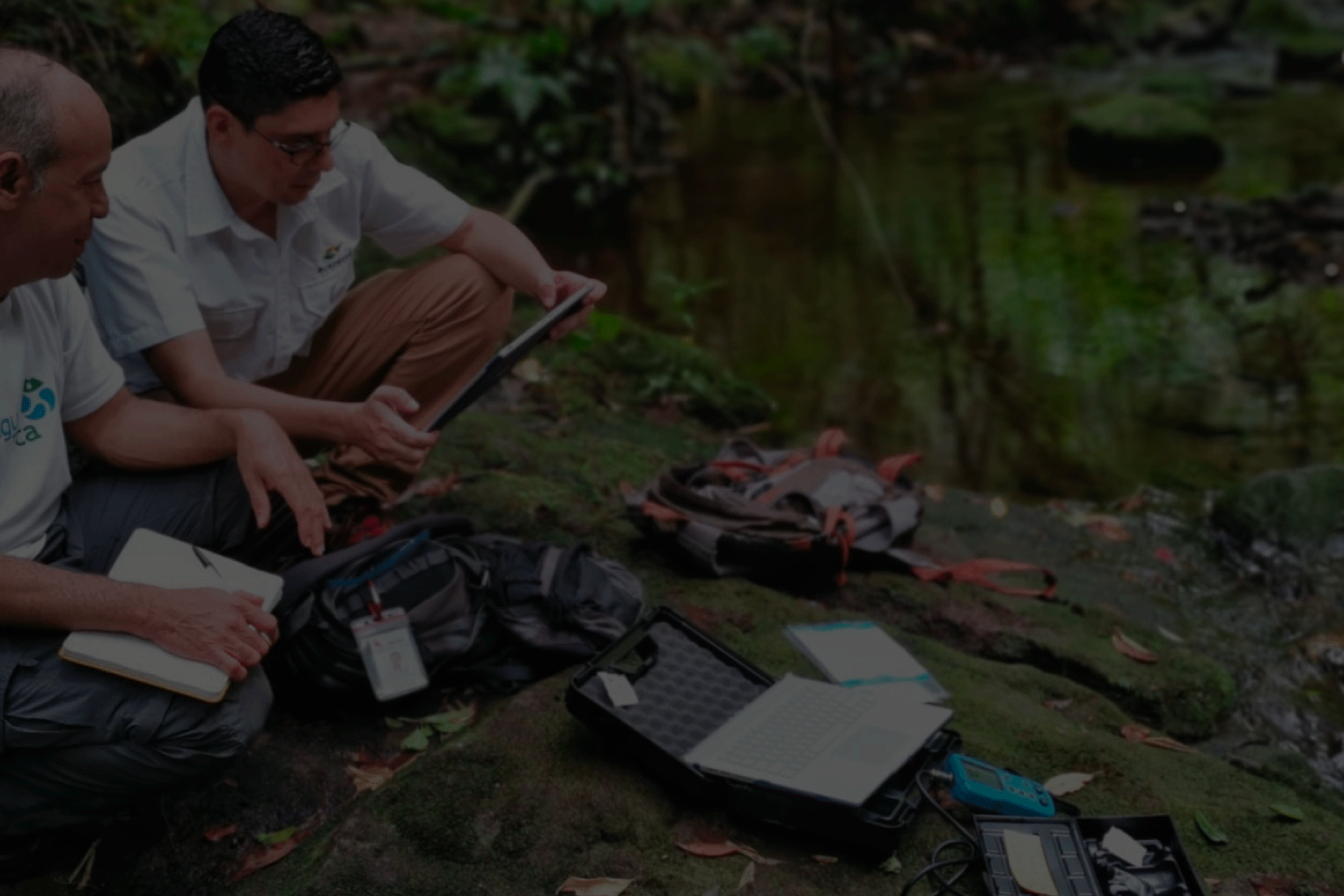
Capacity building to ensure water security and sustainability in Costa Rica's Central Valley.
Capacity building to ensure water security and sustainability in Costa Rica's Central Valley.
After a prolonged period of drought between 2014 and 2016, followed by cyclonic seasons with above-average rainfall in 2016-2017, the northern region of Costa Rica's Central Valley—which supplies drinking water to nearly one million people—faced serious challenges in the integrated management of water resources. Faced with a lack of hydrological instrumentation and institutional technical capacity to quantify water balances, the Government of Costa Rica requested support from the International Atomic Energy Agency (IAEA) to establish a monitoring network that would support sustainable water planning.
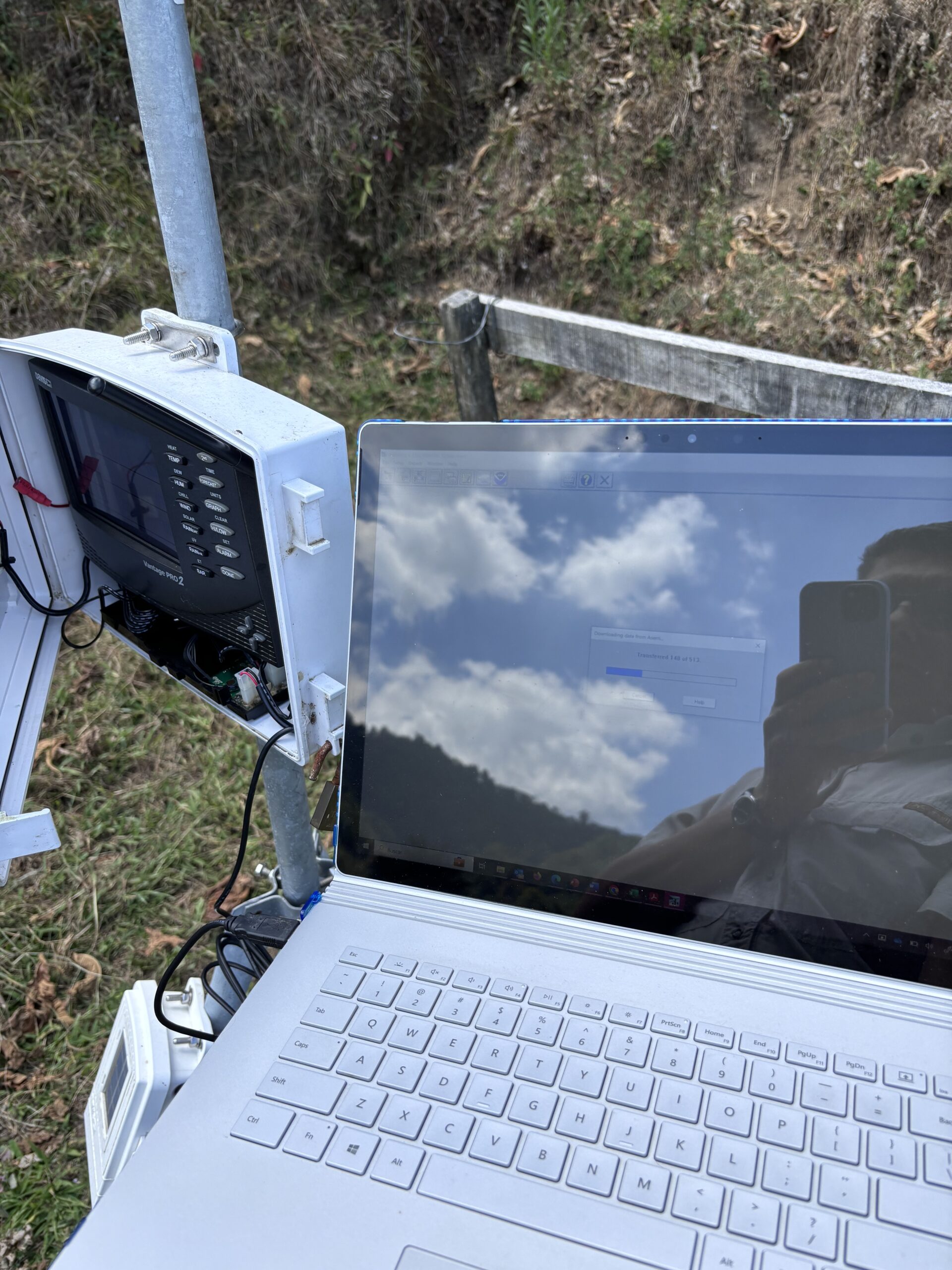
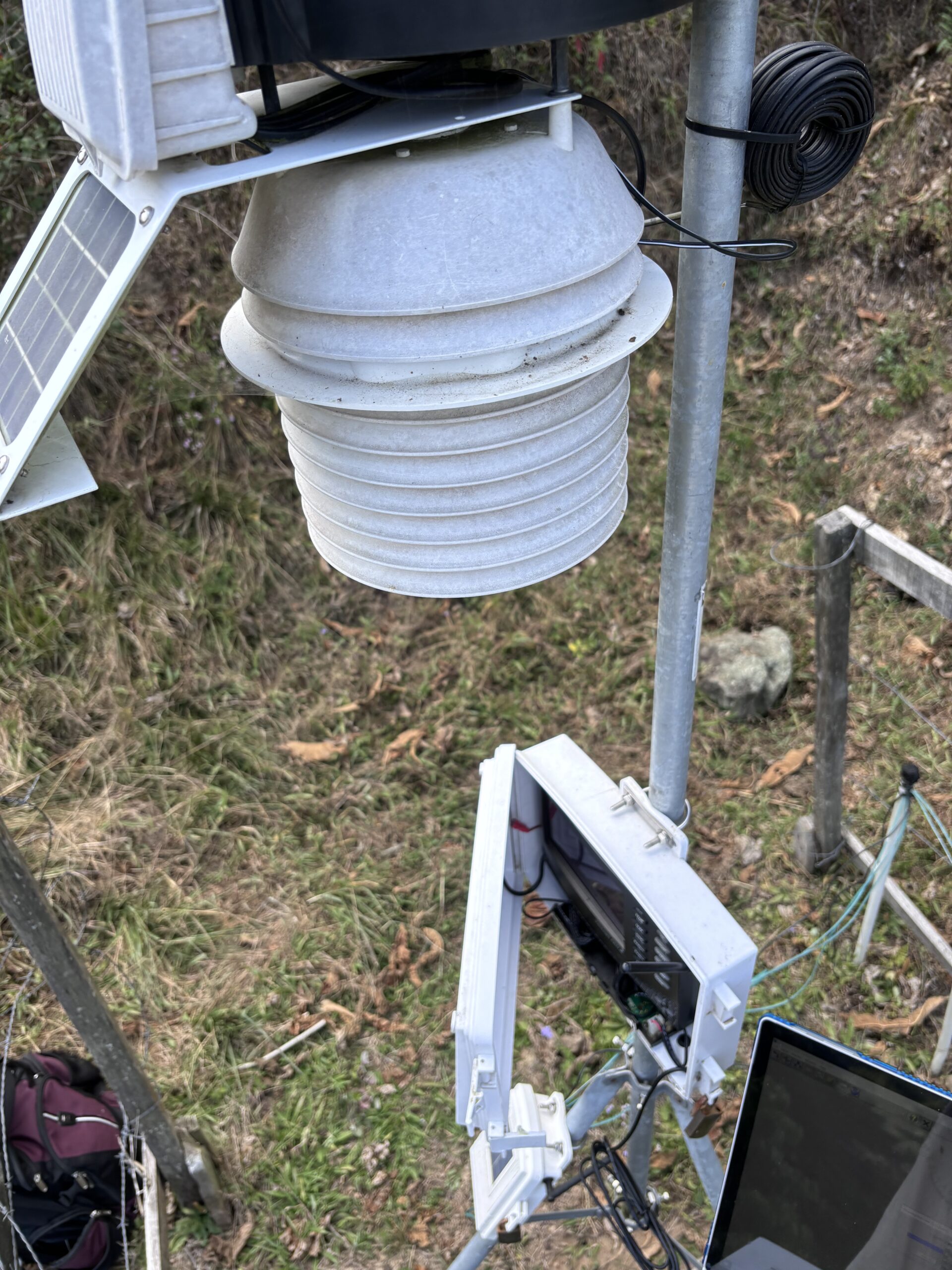
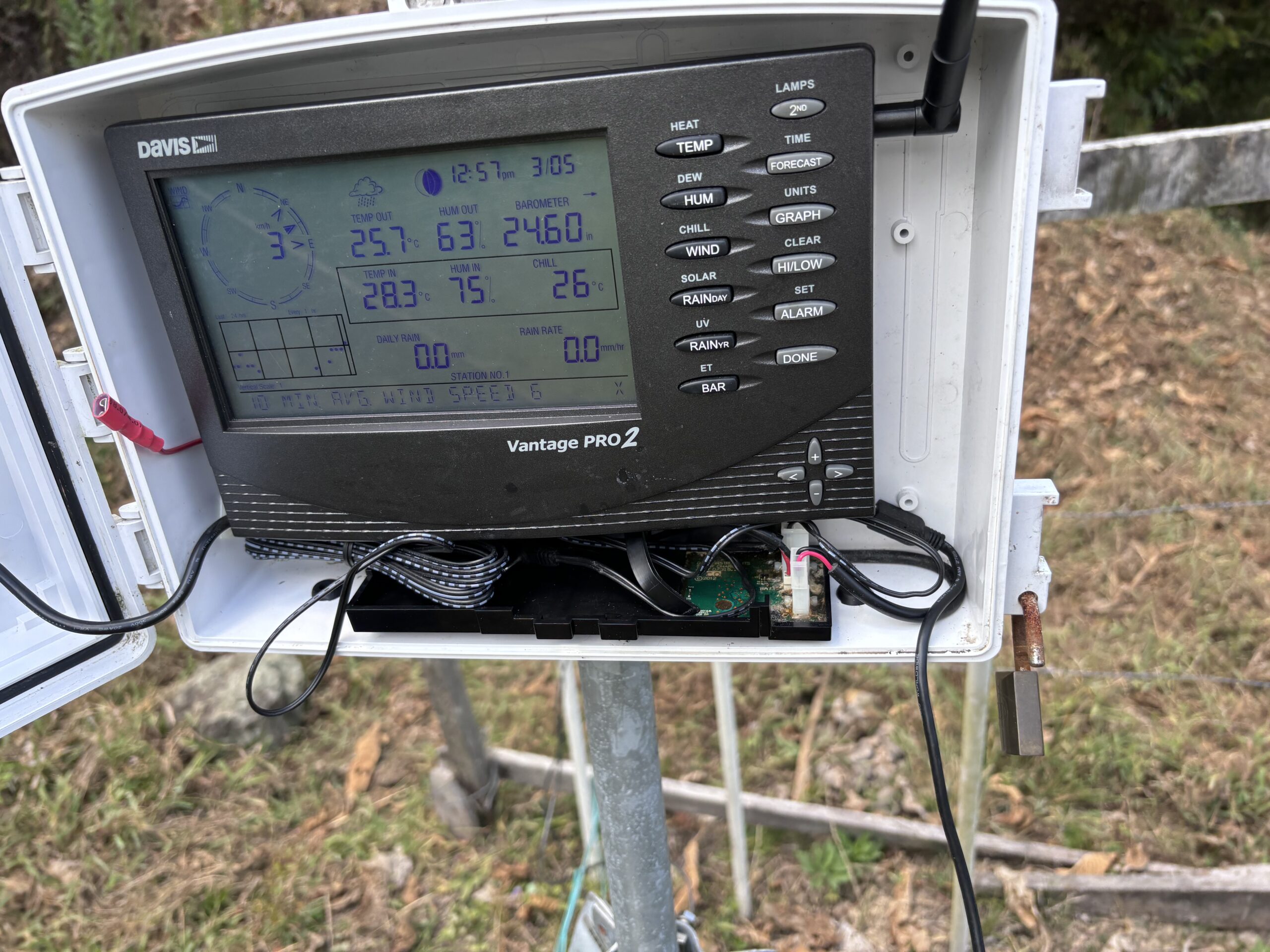
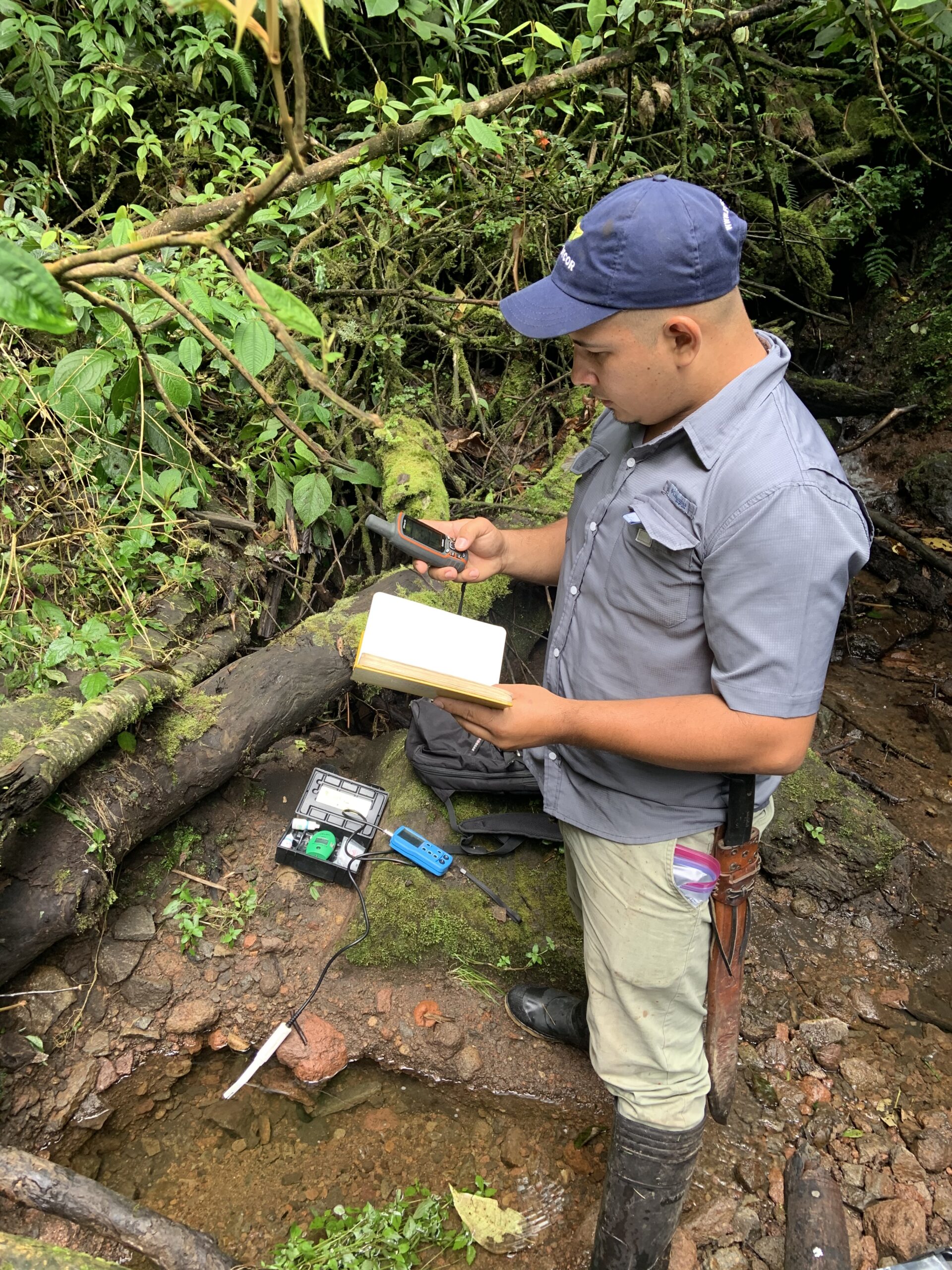
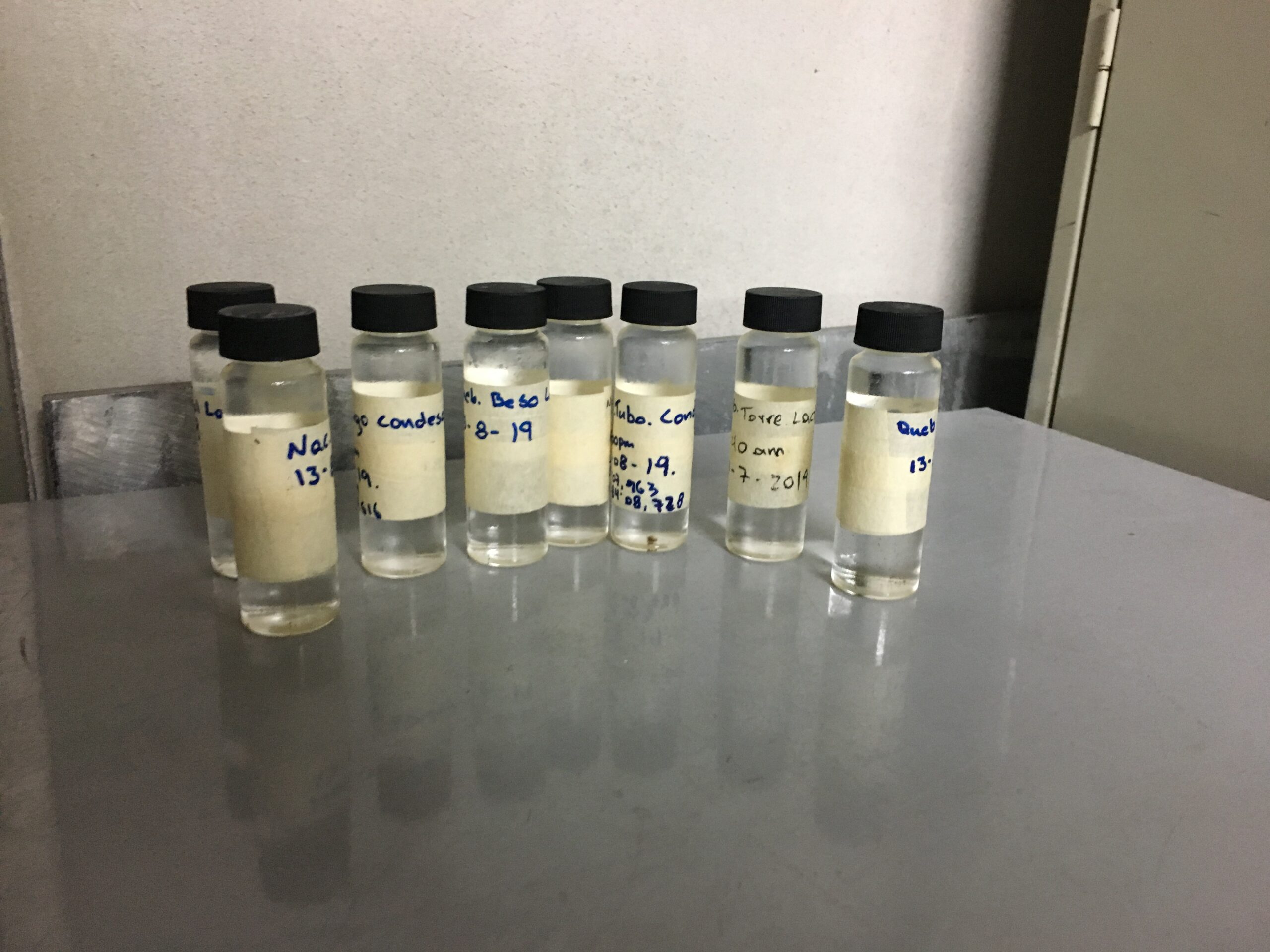
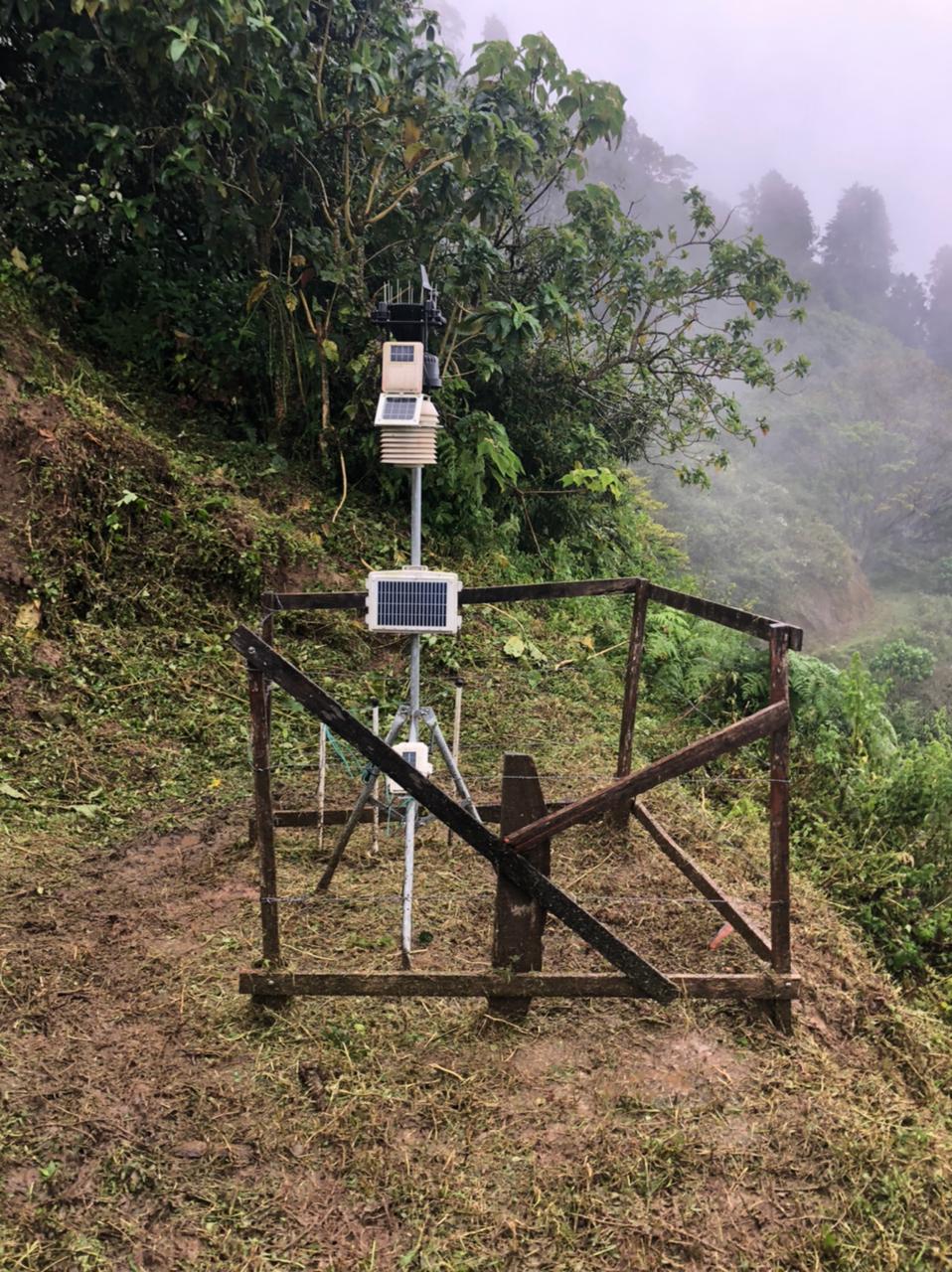
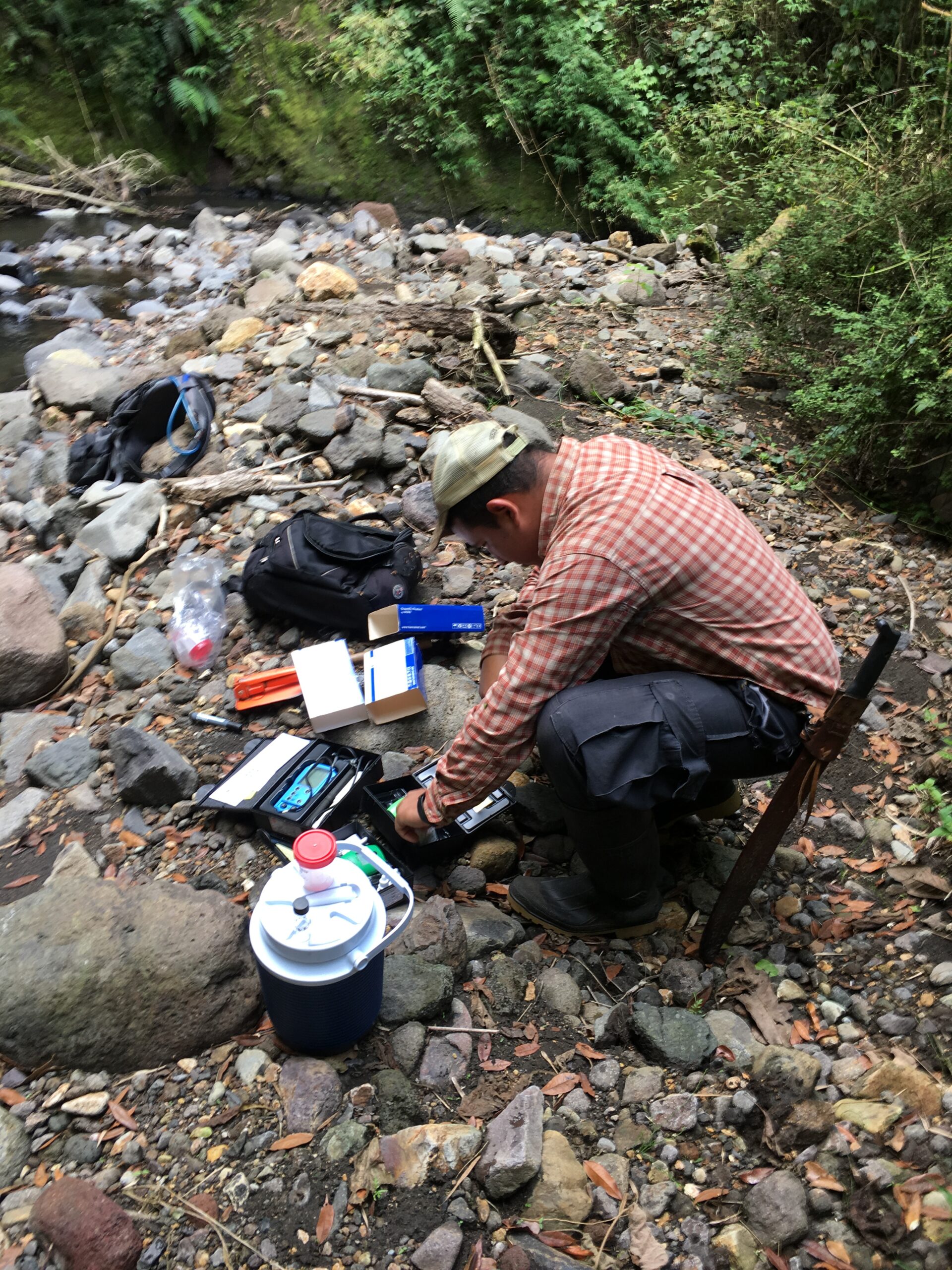
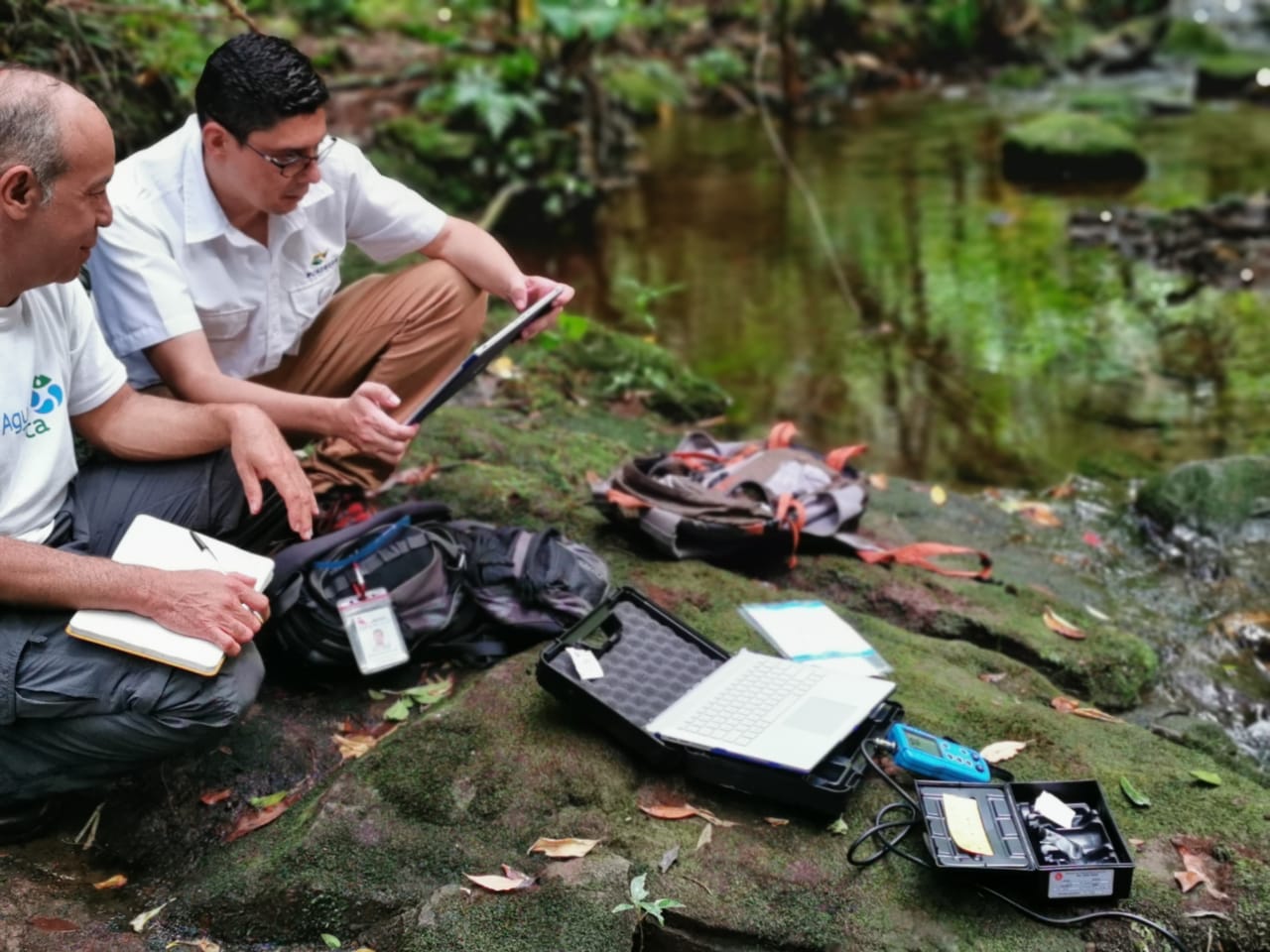
The project established a long-term hydrometeorological network in critical recharge zones of the northern Central Valley, which includes meteorological stations, continuous monitoring of flow rates and groundwater levels, and systematic sampling of stable isotopes, radioactive isotopes, and noble gases.
Additionally, a 3D numerical groundwater model was developed to evaluate future water management scenarios under climate change conditions. A total of 2,911 samples of oxygen-18 and deuterium were analyzed, and two sampling campaigns were conducted at 30 sites within the Barva-Colima aquifer system.
As a result, the Barva-Colima aquifer system has a continuous hydrological and isotopic monitoring network that allowed for the characterization of groundwater recharge processes, identification of critical recharge zones in tropical mountain landscapes, and improved understanding of rainfall patterns. Twenty-five professionals were trained, one doctoral thesis, one master's thesis, and four undergraduate theses were completed, and five international publications were produced.

Copyright © 2026 FUNDECOR. All rights reserved.